 By BusinessLeadHub.Blog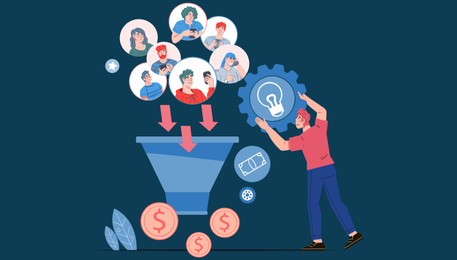
Lead generation is one of the most critical pillars of business growth. Without a steady pipeline of potential customers, even the strongest products and services struggle to survive. Yet, despite its importance, many businesses continue to fail at generating consistent, high-quality leads. The reason is not always a lack of effort — rather, it’s a lack of strategy, clarity, and proper execution.
In this guide, we will break down the most common reasons businesses fail at lead generation and explore practical, actionable solutions to fix each challenge. Whether you are a startup, small business, or established brand, these insights will help you build a strong, scalable, and sustainable lead pipeline.
1. Lack of Clear Target Audience Understanding
Many businesses struggle with lead generation simply because they do not clearly understand who their ideal customer is. Without a defined buyer persona, all marketing efforts become random and inefficient. Businesses often try to sell to “everyone,” but end up attracting no one. Vague messaging, unclear value propositions, and broad advertising all stem from poor audience understanding.
To fix this, businesses must invest time in creating detailed customer avatars. This includes demographic information such as age, gender, income, profession, and location, as well as psychographic insights like motivations, challenges, desires, fears, and priorities. Once a business knows exactly who it wants to reach, it becomes easier to craft personalized messages and targeted campaigns. A clear target audience ensures that your content, ads, and offers connect with the people most likely to convert.
2. Weak or Undefined Value Proposition
A major reason lead generation fails is because businesses do not communicate a compelling value proposition. Potential customers often visit websites or landing pages and leave because they cannot instantly understand what the business offers or how it helps them. Poor value propositions include vague statements like “We offer quality services,” which do not differentiate you from competitors.
To improve, businesses must develop a strong, concise value proposition that answers three questions:
- What problem do you solve?
- How do you solve it differently or better than others?
- What specific benefit does the customer gain?
A sharp value proposition improves conversions, boosts engagement, and strengthens brand identity. It should appear clearly on your website, ads, lead magnets, and sales materials.
3. No Lead Generation Strategy or System
Many businesses operate without a defined lead generation system. They run random ads, publish occasional content, and hope for results. But lead generation is not luck — it is a structured, predictable process. Without a system, businesses cannot scale or track what works.
The solution is to build a structured lead generation funnel that includes:
- Awareness: attracting visitors using content, social media, SEO, or ads
- Engagement: providing value through blogs, videos, or emails
- Conversion: using lead magnets, landing pages, and forms
- Nurturing: building trust via email sequences or retargeting
- Closing: moving qualified leads to sales calls or demos
A clear system ensures that every lead moves smoothly from one stage to the next. Businesses must monitor each stage, identify weak points, and optimize continuously.
4. Poor Quality Content or Inconsistent Content Marketing
Content is the engine that powers modern lead generation. Yet, many businesses produce content that is either low quality, irrelevant, or inconsistent. Publishing random posts or low-value articles weakens credibility and fails to attract leads. Audiences want content that solves their problems, educates, or inspires — not generic information.
To fix this, businesses should adopt a content strategy focused on audience needs. This includes creating blogs, videos, guides, eBooks, and social media posts based on real customer questions and pain points. Content should be optimized for SEO and designed to drive traffic into your funnel. Consistency is equally important. Businesses need a content calendar, scheduled posting, and performance tracking to ensure long-term visibility and engagement.
5. Weak Website and Poor User Experience (UX)
A website is the center of your lead generation efforts. However, many businesses fail because their websites are unattractive, slow, confusing, or not optimized for conversions. Visitors should instantly understand what you do, see your value, and know the next step. If the site loads slowly, has poor navigation, or lacks clarity, potential leads will leave within seconds.
Improving this begins with optimizing website speed, simplifying navigation, and highlighting your value proposition on the homepage. Clear CTAs (call-to-actions), such as “Get a Free Quote” or “Download the Guide,” guide users toward the next step. Additionally, mobile optimization is crucial because a large percentage of users browse through smartphones. A clean, modern, conversion-focused website will significantly increase leads.
6. Weak Landing Pages with No Psychology Behind Them
Many businesses use landing pages that are poorly designed or lack conversion psychology. Common mistakes include long forms, cluttered design, no storytelling, lack of proof, and vague CTAs. A landing page should convince a visitor to take a specific action — download, sign up, request a call — and should be optimized to remove all friction.
To fix landing page issues, businesses should apply conversion principles such as:
- Social proof: testimonials, reviews, and case studies
- Clear benefits: highlighting what the lead gets
- Short forms: only asking essential information
- Strong visuals: relevant images or videos
- Trust elements: certifications, guarantees, or security badges
A psychological approach enhances trust, reduces hesitation, and boosts conversion rates.
7. No Lead Magnet or Weak Lead Magnets
Lead magnets are crucial for generating leads. Without them, visitors have no reason to share their information. Many businesses fail because they either do not offer a lead magnet or offer something low-value such as a basic newsletter signup.
Effective lead magnets include:
- eBooks
- Case studies
- Checklists
- Templates
- Free tools
- Mini-courses
- Webinars
To fix lead magnet issues, businesses must create something high value, specific, and aligned with customer needs. A strong lead magnet increases your authority and encourages visitors to enter your funnel.
8. Poor Follow-Up or No Lead Nurturing
One of the biggest reasons businesses fail at lead generation is poor follow-up. Many businesses collect leads but do not nurture them. They either send one email, respond late, or rely solely on manual follow-ups. This leads to cold leads and low conversions.
The solution is to develop automated follow-up sequences that nurture leads through educational content, reminders, valuable insights, and personalized offers. Email automation, retargeting ads, and CRM tools can help maintain communication with leads until they are ready to buy. Proper nurturing increases trust and dramatically improves conversion rates.
9. Relying on a Single Lead Source
Some businesses depend entirely on one source of leads — whether it’s Facebook Ads, referrals, Instagram, or cold calls. This is extremely risky. If algorithms change, budgets decrease, or platforms stop performing, the business suffers instantly.
To fix this problem, businesses must diversify lead sources. This includes mixing:
- SEO
- Social media
- Paid ads (Google, Meta, TikTok)
- Organic content
- Partnerships
- Email marketing
- Landing pages
- Offline tactics
Diversification ensures sustainability and protects the business from sudden drops in performance.
10. Weak Sales Process or No Alignment Between Marketing and Sales
Even if marketing generates leads, the business will still fail if its sales process is weak. Many leads are lost because sales teams respond late, provide generic information, or fail to nurture relationships. Another common issue is the lack of alignment between marketing and sales, where both teams work in isolation.
To fix this, businesses need a defined sales process with:
- Clear follow-up strategies
- CRM tracking
- Scripts and frameworks
- Qualification processes
- Fast response times
- Personalized communication
Marketing and sales must work together to ensure leads are targeted, nurtured, and closed effectively.
11. Poor Budget Allocation or Wrong Ad Targeting
Businesses often waste money on ads due to poor targeting or unclear audience selection. Incorrect targeting leads to irrelevant traffic, low engagement, and wasted ad spend. Additionally, without proper A/B testing, businesses continue to run underperforming ads.
To solve this problem, businesses must refine their audience targeting using detailed buyer personas, pixel data, custom audiences, and lookalike audiences. Ad creatives should focus on value, urgency, and relevance. Testing different headlines, visuals, and CTAs helps identify what resonates most. Proper allocation ensures that budgets produce maximum ROI.
12. No Trust, No Proof, No Brand Authority
Leads convert when they trust a brand. Many businesses struggle because they lack online reviews, case studies, testimonials, or professional branding. People buy from businesses they trust, especially in competitive markets.
Fixing this involves building credibility by collecting reviews, showcasing successful client stories, highlighting achievements, and producing expert-level content. A strong brand presence — consistent colors, tone, and messaging — also helps strengthen authority.
13. No Tracking, Data Analysis, or Optimization
One of the biggest mistakes businesses make is not tracking their lead generation performance. Without data, businesses do not know which channels produce results and which ones waste money. Not measuring metrics like CTR, conversion rate, CPL, and ROI leads to guesswork and inefficiency.
To fix this, businesses must track performance using tools like Google Analytics, CRM dashboards, Facebook Ads Manager, or marketing automation tools. Data helps identify weak points, optimize campaigns, and improve results. Regular audits ensure the system continues to evolve.
14. Focusing on Quantity Over Quality
Many businesses focus too much on generating a high number of leads instead of high-quality leads. More leads do not always mean more sales. If leads are unqualified, uninterested, or unfit for the offer, conversion rates fall.
The fix is to focus on lead quality by refining audience targeting, improving qualification processes, using better lead magnets, and nurturing leads effectively. High-quality leads convert faster and require less effort, increasing overall ROI.
15. Lack of Consistency and Long-Term Perspective
Lead generation is a long-term investment, not a quick win. Many businesses quit too early because they do not see immediate results. Stopping campaigns, abandoning content strategies, or changing direction too quickly disrupts progress.
To fix this, businesses must commit to consistency. Content, ads, nurturing, and optimization must be ongoing. Lead generation compounds over time — the longer you stick to a well-designed system, the stronger your pipeline becomes.
Conclusion:
Lead generation fails when businesses operate without clarity, strategy, systems, or consistency. But these failures can be fixed with the right approach. The key solutions include:
- Define your audience clearly
- Strengthen your value proposition
- Build a structured lead generation funnel
- Create consistent, high-quality content
- Optimize your website and landing pages
- Use strong lead magnets
- Implement automated follow-ups
- Diversify your lead sources
- Align your marketing and sales teams
- Track and optimize performance
- Focus on lead quality, not just quantity
- Stay consistent and committed
With the right strategy, lead generation becomes predictable, sustainable, and scalable. Businesses that apply these principles will build strong pipelines and achieve long-term growth.