 By BusinessLeadHub.Blog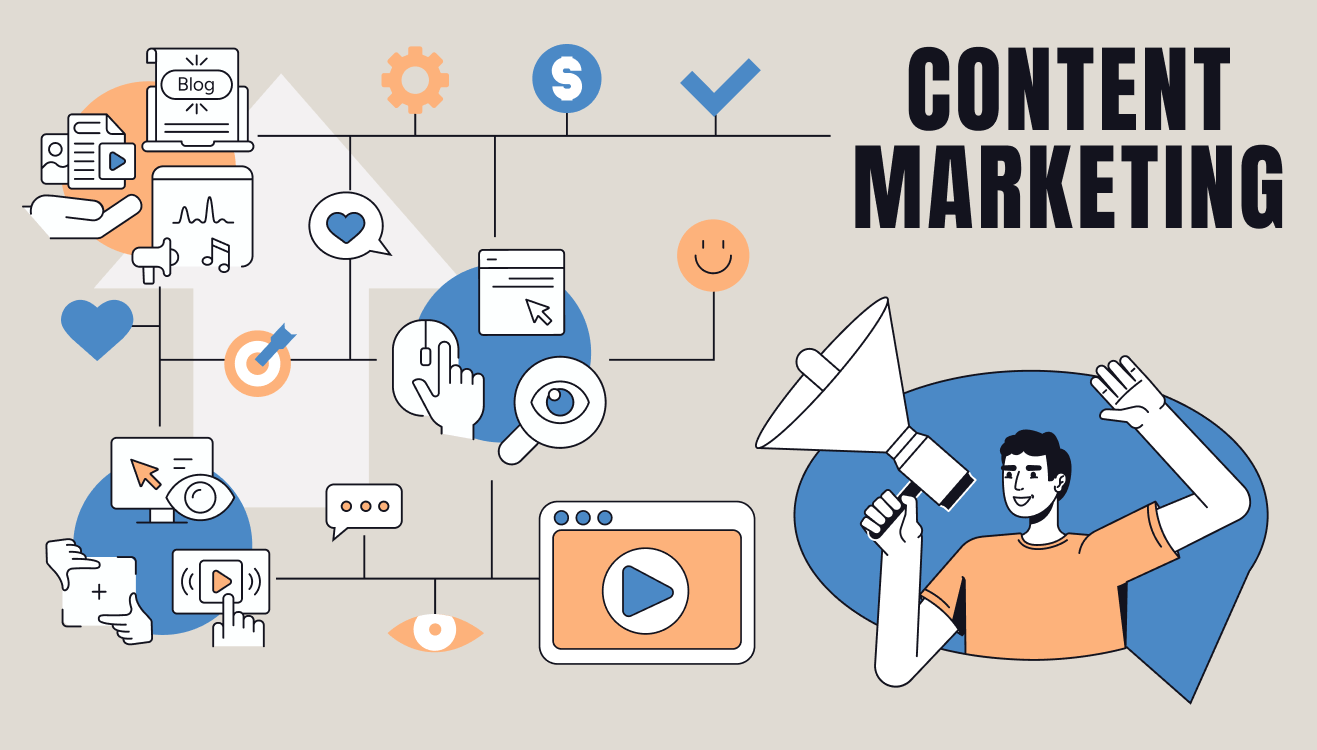
Content marketing has rapidly evolved into one of the most powerful tools for businesses that want to scale, attract new customers, and grow sustainably. In an increasingly digital world, businesses of all sizes—from startups to multinational corporations—are discovering that valuable, strategic content is no longer an option but a necessity. Content not only helps generate leads and sales; it helps build authority, trust, and long-term customer relationships.
This article explores how content marketing drives business expansion, why it is crucial in today’s competitive environment, and how companies can leverage it in smart, scalable ways.
1. Understanding the Concept of Content Marketing
Content marketing revolves around creating and distributing valuable, relevant, and consistent content to attract and engage a specific target audience. Unlike traditional advertising that pushes messages onto customers, content marketing is based on helping customers, educating them, and solving their problems. When businesses offer content that genuinely helps people, it naturally leads to stronger brand connections and customer loyalty. This shift from interruption-based marketing to value-driven marketing is at the heart of today’s business expansion strategies.
2. Why Content Marketing Is Essential for Modern Businesses
In today’s digital landscape, buyers rely on online research more than ever before. Whether B2B or B2C, customers expect to find answers, solutions, and trustworthy information. Content marketing makes this possible by offering blogs, videos, guides, infographics, and social media posts that help educate prospects. Businesses that consistently provide relevant content stay top of mind, appear more credible, and ultimately convert more leads. Without content, businesses struggle to compete because modern buyers prefer brands that demonstrate knowledge rather than just advertise.
3. Content Marketing as a Visibility and Awareness Builder
For any business to expand, it must first be visible. Content marketing dramatically increases visibility by improving search engine rankings, generating social media shares, and engaging audiences across digital touchpoints. High-quality content helps brands appear in relevant search results, making it easier for potential customers to discover them. The more often a business shows up in front of its ideal audience, the faster it builds brand awareness—an essential step toward expansion.
4. Establishing Authority and Thought Leadership
Authority is one of the most important elements of business growth. Customers trust businesses that position themselves as experts in their industry. Through in-depth blog posts, case studies, whitepapers, and educational videos, brands can showcase their knowledge and experience. As prospects repeatedly encounter useful content from a business, they start viewing it as a reliable authority. This reputation for expertise is a powerful driver of long-term business expansion because it influences purchasing decisions, partnerships, and market perception.
5. Strengthening Customer Relationships Through Value
Content marketing is not just about selling—it is about building relationships. High-value content helps businesses stay connected with their audience, even when they are not actively promoting a product. When customers feel understood and supported through helpful resources, they are more likely to trust the brand. This trust results in repeat business, referrals, and long-lasting loyalty. Strong relationships form the foundation of scalable growth, and content marketing is one of the most effective ways to nurture those relationships.
6. Supporting the Buyer’s Journey at All Stages
Every customer goes through a buying journey that includes awareness, consideration, and decision-making stages. Different types of content support each stage. At the awareness stage, blog articles and social posts help customers understand their problems. At the consideration stage, guides and comparison content help them evaluate solutions. At the decision stage, case studies and testimonials help them choose the best product or service. Businesses that strategically plan content for each stage can guide prospects effortlessly toward conversion, making growth predictable and scalable.
7. Enhancing Lead Generation and Sales Opportunities
Effective content marketing plays a major role in generating high-quality leads. When businesses offer valuable content such as e-books, email newsletters, or webinars, prospects willingly share their contact information. This permission-based marketing approach attracts prospects who are genuinely interested in the brand. As these leads continue consuming helpful content, they become more educated and more ready to buy. This results in shorter sales cycles, higher conversion rates, and increased revenue—critical components of business expansion.
8. Educating Prospective Customers
Educated customers make better buying decisions and are more likely to choose a business that provides them with useful information. Content marketing helps prospects understand the benefits of a product or service, how it works, and why it matters. The more knowledgeable customers become, the more they appreciate the value a business offers. This educational element not only boosts trust but also reduces the need for aggressive sales tactics. When customers already understand your value, selling becomes much easier.
9. Improving SEO Performance and Organic Traffic
Search engines reward businesses that publish consistent, relevant, and helpful content. Content marketing boosts SEO by providing keyword-rich blog posts, answer-focused articles, and authoritative resources. Each piece of content becomes a long-term asset that continues driving organic traffic long after it is published. Strong SEO helps businesses reach new audiences without paying for ads, reducing marketing costs while increasing visibility. Over time, this compounding effect becomes a growth engine that supports business expansion.
10. Building a Strong Online Brand Presence
A strong online presence is essential for business expansion, and content marketing is the foundation of that presence. Every piece of content—whether a blog article, video, or email—helps shape the brand’s personality and reputation. Consistent content strengthens the brand’s voice, values, and message. When customers repeatedly see aligned, helpful, and professional content, they begin to trust the brand more deeply. A strong presence makes it easier for the business to enter new markets and attract new customers.
11. Supporting Social Media Growth and Engagement
Social media thrives on content. Businesses that produce engaging content see faster growth across platforms. Content such as tips, educational videos, behind-the-scenes posts, and infographics encourages interaction and shares. High engagement leads to better reach, which brings new followers and potential customers. Social media content also strengthens community ties and enhances brand loyalty. When brands actively share valuable content, they remain a part of their audience’s daily digital routine—a major advantage for scaling.
12. Creating Trust Through Transparency and Authenticity
Modern customers value transparency and authenticity. Content marketing allows businesses to communicate honestly, share their mission, and highlight their successes and challenges. Behind-the-scenes content, customer stories, and helpful educational resources demonstrate that the business is not just selling a product but genuinely helping people. This level of authenticity builds trust, which is essential for business expansion because customers prefer brands they trust with their time, money, and personal information.
13. Cost-Effective Marketing With Long-Term Impact
Compared to paid advertising, content marketing is significantly more cost-effective. While ads stop working the moment you stop paying, content continues delivering results for months or even years. Blog posts, videos, and guides work as digital assets that attract traffic, leads, and engagement continuously. This long-term impact allows businesses to scale without increasing their marketing budgets. Content marketing provides an excellent return on investment (ROI), making it an ideal strategy for growing businesses.
14. Supporting Email Marketing and Automation Systems
Email marketing plays a critical role in nurturing leads and keeping customers engaged. Content marketing provides the material needed for newsletters, automated sequences, and promotional emails. When businesses consistently publish fresh content, they always have something valuable to share with their subscribers. This keeps the audience interested, strengthens communication, and improves conversion opportunities. Email content also helps segment audiences, making campaigns more personalized and effective.
15. Helping Businesses Enter New Markets
When a business wants to expand into a new geographic market or industry, content marketing becomes a strategic tool. Market-specific content helps attract local audiences, explain offerings, and build awareness. Multilingual content can help international expansion, while niche-specific content helps brands enter new sectors confidently. By educating and engaging new markets with localized or industry-relevant content, businesses can establish credibility and accelerate growth.
16. Showcasing Customer Success Through Case Studies
Case studies are one of the most effective content formats for demonstrating real results. They show how a business helped previous customers solve problems or achieve specific goals. These stories play a crucial role in influencing new buyers because they provide proof of value. When businesses highlight successful outcomes, prospects feel more confident in choosing them. Case studies also help build authority and trust—key components of business expansion.
17. Strengthening Team Alignment and Company Vision
Content marketing isn’t just for customers—it also helps employees stay aligned with the company’s vision. Clear internal content, such as brand guidelines, mission statements, and training materials, ensures that the entire team understands the brand’s goals. This alignment improves customer service, sales communication, and overall business performance. When a team is united around a clear message, the business grows faster and more effectively.
18. Encouraging User-Generated Content
One of the most powerful forms of content is user-generated content (UGC). When customers share reviews, photos, testimonials, or experiences, it builds social proof and trust. UGC spreads organically, helping businesses reach broader audiences without extra marketing costs. When customers become brand advocates, business expansion becomes much easier. Encouraging UGC through hashtags, contests, or community engagement can significantly accelerate growth.
19. Supporting Product Launches and New Services
Whenever a business introduces something new, content marketing plays a vital role in its success. Pre-launch content creates curiosity, launch-day content generates hype, and post-launch content educates customers. Tutorials, demos, FAQs, and promotional videos help customers understand how the new product or service benefits them. This structured content approach ensures a smoother launch and faster market acceptance, contributing to long-term expansion.
20. Measuring and Optimizing Performance for Growth
Content marketing is measurable, which gives businesses the advantage of optimizing their strategies over time. Analytics tools provide insights into what content performs best, which platforms drive the most engagement, and what leads convert at higher rates. By analyzing this data, businesses can refine their content, improve messaging, and focus on high-impact areas. This continuous optimization turns content marketing into a powerful engine for consistent expansion.
Conclusion: Content Marketing Is the Future of Business Expansion
Content marketing is no longer a simple promotional tactic—it is a strategic growth driver. It helps businesses reach new audiences, improve visibility, build authority, nurture customer relationships, and generate high-quality leads. In a competitive marketplace, the businesses that invest in value-driven, customer-focused content will experience faster and more sustainable expansion.
As digital behavior continues to evolve, content marketing will remain at the core of modern business growth. Companies that understand its importance and use it strategically will be the ones that lead their markets, scale effectively, and build long-term success.