 By BusinessLeadHub.Blog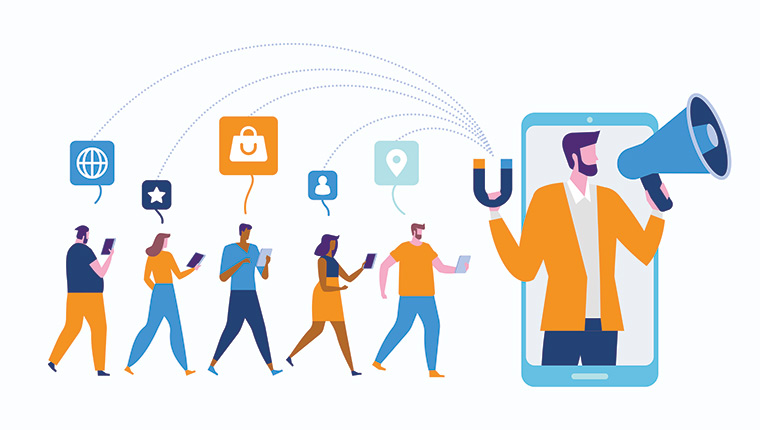
Introduction
In today’s digital-first world, traditional advertising methods are no longer enough to capture the attention of potential customers. Consumers are increasingly turning to trusted voices online—people they follow on social media, watch on YouTube, or read on blogs—for recommendations before making purchasing decisions. This shift has given rise to influencer marketing, a strategy that leverages the authority, reach, and authenticity of influencers to connect brands with their target audience.
Influencer marketing is not just about promoting products; it is a powerful tool for generating qualified leads. By partnering with influencers who resonate with your audience, you can guide potential customers through your sales funnel more naturally and effectively. This approach combines social proof, credibility, and targeted messaging to attract prospects who are genuinely interested in your offerings.
What is Influencer Marketing?
Influencer marketing is a type of marketing strategy where brands collaborate with individuals—known as influencers—who have a dedicated following and influence over their audience’s purchasing decisions. These influencers can range from mega-celebrities with millions of followers to micro-influencers with smaller but highly engaged communities.
The core idea is simple: instead of trying to convince consumers through traditional advertising, brands use influencers as trusted intermediaries to deliver messages in a more authentic and relatable way. Influencers share content about your products or services, demonstrate their value, and encourage their followers to take action—whether it’s visiting your website, signing up for a newsletter, or making a purchase.
Why Influencer Marketing is Effective for Lead Generation
Influencer marketing is particularly effective for lead generation for several key reasons:
- Trust and Credibility: People trust recommendations from influencers they follow more than traditional ads. When an influencer endorses your product, their followers are more likely to engage with your brand.
- Targeted Reach: Influencers have niche audiences. Partnering with the right influencer ensures your message reaches people who are most likely to be interested in your product or service, improving the quality of leads generated.
- Higher Engagement Rates: Influencer content often generates higher engagement compared to standard advertising. Likes, comments, shares, and clicks all contribute to driving potential leads directly to your website or landing page.
- Content That Converts: Influencers can create creative, authentic content that highlights your product’s benefits in real-life scenarios, making it easier to capture leads who are genuinely interested.
- Scalability: Influencer campaigns can start small with micro-influencers and scale up as you see positive results, giving you flexibility in budget and strategy.
In short, influencer marketing transforms lead generation from a generic advertising push into a personalized, trust-based experience, helping brands attract high-quality leads that are more likely to convert into loyal customers.
Understanding Your Target Audience
Before launching any influencer marketing campaign, it’s essential to have a deep understanding of your target audience. Knowing who your ideal customers are and what drives their behavior ensures that your efforts reach the right people and generate high-quality leads.
Defining Your Ideal Customer
Your ideal customer is a detailed profile of the person most likely to purchase your product or service. Creating this profile, often called a buyer persona, helps you target the right influencers and craft messages that resonate.
- Demographics: Age, gender, location, education, income level.
- Psychographics: Interests, values, lifestyle choices, and attitudes.
- Pain Points: Challenges or problems your product solves.
- Buying Behavior: How they research, evaluate, and make purchases.
By defining your ideal customer, you can ensure your influencer partnerships are strategic rather than random, increasing the likelihood of lead generation.
Identifying Audience Preferences and Behaviors
Understanding your audience goes beyond demographics. You need to know where they spend time online, what content they engage with, and what influences their decisions.
- Analyze social media habits: Which platforms do they frequent—Instagram, TikTok, YouTube, or LinkedIn?
- Study content preferences: Do they prefer video tutorials, product reviews, or blog posts?
- Monitor engagement patterns: What types of posts generate comments, shares, or clicks?
This insight ensures your influencer campaigns reach the right audience with content that motivates action.
Setting Clear Goals for Lead Generation
Having a clear objective is crucial for measuring the success of your influencer marketing campaigns.
Types of Leads: Cold, Warm, and Hot
Leads come in different stages of readiness:
- Cold Leads: People who have minimal awareness of your brand. Influencer marketing can introduce your brand and spark initial interest.
- Warm Leads: Prospects who are aware of your product and may have engaged with your content. These leads are closer to conversion.
- Hot Leads: Highly interested prospects who are ready to take action, such as signing up or making a purchase.
By defining which type of leads you want to generate, you can tailor influencer strategies to guide prospects effectively through the sales funnel.
Aligning Influencer Campaigns with Business Objectives
Your influencer campaigns should directly support your business goals, whether it’s building brand awareness, increasing website traffic, or capturing email addresses for lead nurturing. Aligning campaigns with objectives helps you measure ROI and optimize future efforts.
Choosing the Right Influencers
Selecting the right influencer is critical to ensure your campaign resonates with your target audience.
Micro vs. Macro Influencers: Which Works Best?
- Micro-Influencers: 10,000–100,000 followers. Highly engaged niche audiences, often more cost-effective, and perceived as authentic. Great for generating high-quality leads.
- Macro-Influencers: 100,000+ followers. Broad reach and higher visibility but often less engagement per follower. Best for brand awareness and large-scale campaigns.
Choosing between micro and macro influencers depends on your campaign goals and budget.
Evaluating Influencer Credibility and Engagement Rates
Engagement matters more than follower count. Look for:
- Genuine interaction in comments and shares.
- Consistency in posting quality content.
- Alignment of values and voice with your brand.
High engagement indicates an active audience that trusts the influencer’s recommendations, increasing the chances of lead conversion.
Tools to Find and Analyze Influencers
Several tools can simplify influencer discovery and analysis:
- BuzzSumo: Identifies influencers by topic or niche.
- HypeAuditor: Measures engagement, authenticity, and audience demographics.
- Upfluence: Helps track performance and manage influencer campaigns.
Using the right tools ensures you select influencers who truly connect with your audience.
Crafting an Effective Influencer Marketing Strategy
Once you know your audience and influencers, it’s time to design a strategy that drives lead generation.
Selecting Campaign Types: Sponsored Posts, Giveaways, Reviews
- Sponsored Posts: Paid posts on social media showcasing your product.
- Giveaways: Contests or free product offers to attract engagement and capture emails.
- Reviews/Testimonials: Influencers sharing honest experiences to build trust.
Different campaign types can target different stages of the sales funnel, from awareness to lead capture.
Collaborating on Content That Converts
Work closely with influencers to create content that aligns with both your brand and their audience:
- Encourage storytelling rather than hard selling.
- Use high-quality visuals and captions that include a call-to-action (CTA).
- Provide influencers with clear guidelines but allow creative freedom for authenticity.
Integrating Landing Pages and Lead Capture Forms
To convert influencer traffic into leads, direct users to optimized landing pages with clear CTAs:
- Use short, simple forms to capture essential information.
- Offer something valuable (discount, ebook, free trial) in exchange for contact details.
- Track conversions to analyze which influencers and content types perform best.
Here’s the continuation of your blog on “How to Generate Leads Through Influencer Marketing”, covering the remaining sections in detailed, reader-friendly paragraphs:
Creating Compelling Offers for Leads
An effective influencer marketing campaign isn’t just about visibility—it’s about converting attention into actionable leads. To do this, you need offers that motivate users to share their contact information or take the next step in your sales funnel.
Free Trials, Discounts, and Ebooks
Providing valuable offers helps bridge the gap between awareness and action:
- Free Trials: Allow potential customers to experience your product without risk, increasing trust and engagement.
- Discounts: Limited-time promotions create urgency, encouraging users to act quickly.
- Ebooks or Guides: Educational content offers value in exchange for email addresses, positioning your brand as an authority.
Influencers can promote these offers authentically, explaining the benefits in ways their audience trusts.
Exclusive Content Through Influencers
Offering content that is only available through the influencer enhances perceived value. Examples include:
- Behind-the-scenes videos or tutorials.
- Early access to new products or services.
- Private webinars or Q&A sessions hosted by the influencer.
This strategy not only generates leads but also strengthens the bond between your brand, the influencer, and their audience.
Tracking and Measuring Campaign Success
To understand whether your influencer marketing is effective, tracking and measurement are essential. Without data, you cannot optimize campaigns or prove ROI.
Key Metrics for Lead Generation
Track metrics that directly indicate lead generation success:
- Click-through rates (CTR) from influencer content.
- Number of form submissions or sign-ups.
- Cost per lead (CPL) and overall campaign ROI.
- Engagement metrics such as likes, comments, and shares (to gauge audience interest).
Using UTM Links and Promo Codes
UTM links and promo codes are invaluable for attribution:
- UTM Links: Track where traffic and leads originate, allowing precise measurement of influencer effectiveness.
- Promo Codes: Track conversions and incentivize users to make purchases, while providing data on campaign performance.
Analyzing ROI of Influencer Campaigns
Calculate ROI by comparing campaign costs with the value of leads generated:
- Include influencer fees, content creation costs, and promotional spend.
- Factor in the long-term value of leads, not just immediate sales.
- Adjust future campaigns based on which influencers, content types, and offers performed best.
Optimizing and Scaling Influencer Campaigns
Once you know what works, focus on improving efficiency and expanding reach.
A/B Testing Messaging and Offers
Test different approaches to identify the most effective combination:
- Try variations of headlines, call-to-action language, and visual content.
- Experiment with multiple offers (free trial vs. discount vs. ebook) to see which converts better.
- Use insights to refine campaigns for higher lead generation rates.
Repurposing Influencer Content Across Channels
Maximize the value of influencer content:
- Share influencer videos or posts on your own social channels.
- Include influencer-generated content in email campaigns or landing pages.
- Reuse testimonials or reviews for long-term marketing materials.
Long-term Partnerships vs. One-Time Campaigns
Building ongoing relationships with influencers often yields better results than one-off campaigns:
- Consistent messaging helps nurture trust with audiences.
- Long-term collaborations allow influencers to develop authentic storytelling around your brand.
- One-time campaigns may generate leads but often lack sustained impact.
Avoiding Common Influencer Marketing Mistakes
Even well-planned campaigns can fail if mistakes are made. Avoid these pitfalls:
Partnering with Irrelevant Influencers
Working with influencers whose audience doesn’t match your target market wastes budget and reduces conversion rates.
Ignoring Transparency and Authenticity
Audiences are quick to detect inauthentic promotion. Ensure influencers disclose partnerships and communicate genuinely.
Overlooking Lead Nurturing After Campaigns
Generating leads is just the first step. Follow up through email marketing, retargeting, or personalized outreach to convert leads into customers.
Case Studies and Examples
Learning from real campaigns can provide valuable insights.
Successful Influencer Campaigns That Generated Leads
- Example 1: A SaaS company partnered with tech influencers to offer free trials, generating thousands of qualified leads in one month.
- Example 2: A fitness brand collaborated with micro-influencers on Instagram to promote an exclusive ebook, resulting in a 40% increase in email sign-ups.
Lessons Learned from Failed Campaigns
- Example 1: A brand partnered with an influencer whose audience was not relevant, resulting in high engagement but almost zero leads.
- Example 2: Lack of clear CTA in posts led to audience confusion, emphasizing the importance of guiding users to landing pages or forms.
These case studies highlight that targeting, authenticity, and clear offers are key to successful lead generation.
Conclusion
Key Takeaways
- Influencer marketing is a powerful tool for lead generation when used strategically.
- Understanding your audience and choosing the right influencers is critical.
- Compelling offers, proper tracking, and optimization drive better results.
- Avoid common mistakes like irrelevant partnerships or neglecting lead nurturing.
Building a Sustainable Lead Generation Strategy Through Influencers
To build a long-term strategy:
- Focus on authentic, value-driven collaborations.
- Continuously analyze data and refine campaigns.
- Develop long-term partnerships with influencers who align with your brand.
When done right, influencer marketing doesn’t just create temporary buzz—it generates high-quality leads that can fuel business growth for years.