 By BusinessLeadHub.Blog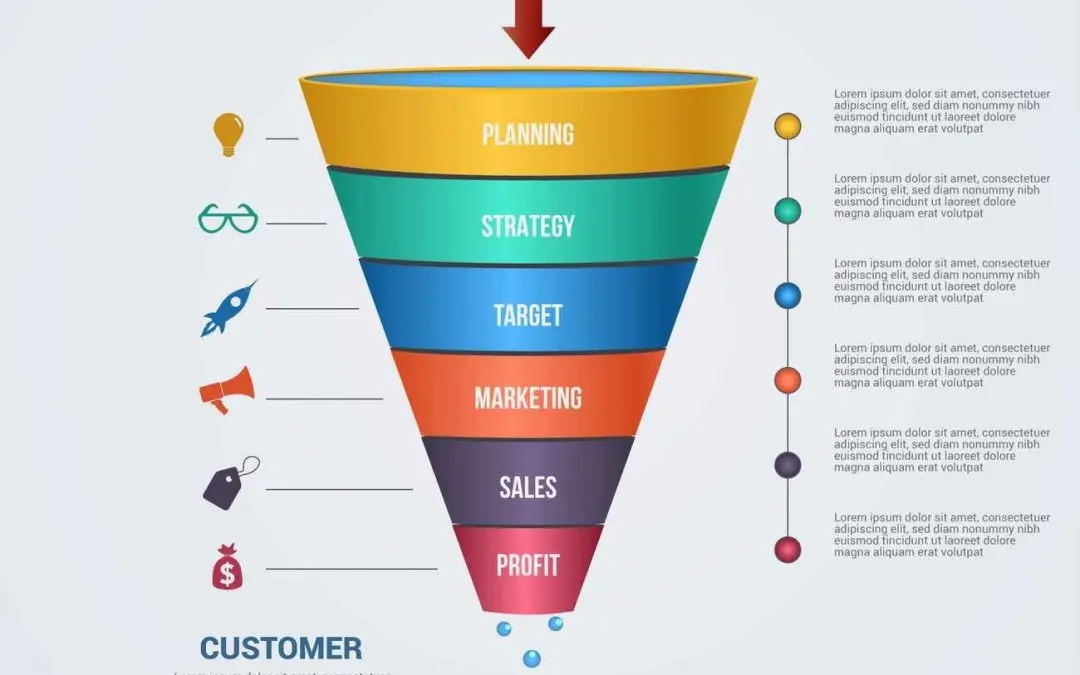
Introduction: Why a Digital Marketing Funnel Matters
In today’s competitive online environment, attracting traffic alone is not enough to grow a successful business. Many businesses struggle because they focus on visibility but fail to guide potential customers toward a purchase. This is where a digital marketing funnel becomes essential.
A digital marketing funnel is a structured journey that turns strangers into leads, leads into customers, and customers into loyal brand advocates. When designed effectively, a funnel ensures that every marketing effort works together to generate consistent and predictable results.
In this article, we’ll explore how to build an effective digital marketing funnel, covering each stage, strategies, tools, and best practices to help you convert traffic into long-term business growth.
Understanding the Digital Marketing Funnel Concept
A digital marketing funnel represents the path a customer takes from discovering your brand to making a purchase and beyond. It visualizes how users move through different stages of awareness, consideration, and decision-making.
Rather than treating all customers the same, the funnel approach delivers the right message at the right time. This improves engagement, builds trust, and increases conversion rates.
An effective funnel aligns marketing, sales, and customer experience into one seamless system.
Why Every Business Needs a Digital Marketing Funnel
Without a funnel, marketing efforts are often scattered and inefficient. Businesses may generate traffic but fail to capture leads or nurture prospects.
A digital marketing funnel provides structure and clarity. It helps businesses understand customer behavior, optimize messaging, and allocate resources wisely.
Funnels also make marketing measurable and scalable, allowing businesses to grow sustainably over time.
The Key Stages of a Digital Marketing Funnel
An effective digital marketing funnel typically consists of four main stages: awareness, interest, consideration, and conversion. Some funnels also include retention and advocacy stages.
Each stage has a specific goal and requires different strategies. Understanding these stages is crucial to building a funnel that performs consistently.
When all stages work together, the funnel becomes a powerful engine for growth.
Stage 1: Awareness – Attracting the Right Audience
The awareness stage is where potential customers first discover your brand. The goal is to capture attention and introduce your business as a solution to their problem.
Content marketing, social media, SEO, paid ads, and video marketing are commonly used at this stage. Educational and value-driven content performs best, as it builds credibility without aggressive selling.
Attracting the right audience ensures that the rest of the funnel remains effective.
Using SEO to Drive Funnel Awareness
Search engine optimization plays a critical role in funnel awareness. Ranking for relevant keywords helps attract users actively searching for solutions.
High-quality blog posts, optimized landing pages, and informative guides increase visibility and trust. SEO-driven traffic is often more qualified and cost-effective.
Strong SEO ensures a steady flow of prospects entering the funnel.
Social Media and Paid Ads for Awareness
Social media platforms allow businesses to reach new audiences quickly. Organic posts, short videos, and influencer collaborations increase brand exposure.
Paid ads on search engines and social media further amplify reach. Targeted campaigns ensure your message reaches users most likely to engage.
Combining organic and paid strategies strengthens the top of the funnel.
Stage 2: Interest – Engaging and Educating Prospects
Once users are aware of your brand, the next step is to build interest. At this stage, prospects want more information and clarity.
Email newsletters, lead magnets, webinars, and educational videos help nurture curiosity. The goal is to position your brand as a trusted authority.
Engagement-focused content encourages users to move deeper into the funnel.
Lead Magnets and Email Capture
Lead magnets such as ebooks, checklists, free trials, or templates encourage users to share their contact information.
Landing pages with clear value propositions and strong calls to action are essential. Once captured, leads can be nurtured through automated email sequences.
Email marketing is one of the most powerful tools for guiding prospects through the funnel.
Stage 3: Consideration – Building Trust and Authority
At the consideration stage, prospects are evaluating their options. They compare solutions, read reviews, and seek reassurance.
Content such as case studies, testimonials, product demos, and comparison guides helps build trust. Transparency and proof are key at this stage.
Your messaging should clearly explain why your solution is the best choice.
Using Social Proof to Strengthen the Funnel
Social proof plays a vital role in funnel effectiveness. Reviews, testimonials, success stories, and user-generated content reduce hesitation.
Displaying social proof on landing pages, emails, and retargeting ads reassures prospects. Trust signals increase conversion likelihood.
Strong social proof bridges the gap between interest and action.
Stage 4: Conversion – Turning Prospects into Customers
The conversion stage is where prospects take action, such as making a purchase or booking a consultation.
Clear calls to action, simple checkout processes, and persuasive copy are essential. Removing friction increases conversion rates.
Limited-time offers, guarantees, and personalized incentives encourage final decisions.
Optimizing Landing Pages for Higher Conversions
Landing pages are critical conversion points in the funnel. They should be focused, fast-loading, and mobile-friendly.
Using compelling headlines, benefit-driven copy, and minimal distractions improves results. A/B testing helps refine performance.
Optimized landing pages maximize return on marketing investment.
Retargeting to Recover Lost Leads
Not all prospects convert immediately. Retargeting campaigns bring users back who previously interacted with your brand.
Ads reminding users of products, benefits, or testimonials re-engage interest. Retargeting improves overall funnel efficiency.
This strategy ensures fewer opportunities are lost.
Stage 5: Retention – Turning Customers into Repeat Buyers
An effective digital marketing funnel doesn’t end with a sale. Retention focuses on building long-term customer relationships.
Post-purchase emails, loyalty programs, and personalized offers keep customers engaged. Providing value after the sale increases lifetime value.
Satisfied customers are more likely to buy again and recommend your brand.
Stage 6: Advocacy – Creating Brand Ambassadors
Advocacy turns loyal customers into promoters. Reviews, referrals, and social sharing expand reach organically.
Referral programs and incentives encourage customers to spread the word. Advocacy strengthens brand credibility and reduces acquisition costs.
A strong advocacy stage fuels the top of the funnel again.
Tools to Build and Manage a Digital Marketing Funnel
Various tools help streamline funnel creation and management. These include CRM systems, email automation platforms, landing page builders, and analytics tools.
Choosing tools that integrate well ensures smooth data flow and efficient optimization.
Technology simplifies funnel management and scaling.
Measuring and Optimizing Funnel Performance
Tracking funnel metrics is essential for improvement. Key metrics include traffic sources, conversion rates, cost per lead, and customer lifetime value.
Analytics tools reveal where prospects drop off and where improvements are needed. Continuous optimization keeps funnels effective.
Data-driven decisions lead to consistent growth.
Common Digital Marketing Funnel Mistakes to Avoid
One common mistake is focusing too much on traffic without nurturing leads. Another is using the same message for every funnel stage.
Ignoring follow-up and retention also limits growth potential. Funnels require ongoing testing and refinement.
Avoiding these mistakes ensures long-term success.
Adapting Funnels for Different Business Models
Digital marketing funnels vary based on business type. E-commerce funnels emphasize product discovery and checkout optimization.
B2B funnels focus on lead nurturing and relationship-building. Local businesses prioritize trust and proximity.
Customizing funnels improves relevance and performance.
The Future of Digital Marketing Funnels
Funnels are becoming more personalized and automated. Artificial intelligence, predictive analytics, and behavioral targeting are shaping future strategies.
Businesses that adapt to these trends will gain a competitive edge.
Modern funnels prioritize customer experience over aggressive selling.
Summary
Understanding how to build an effective digital marketing funnel is essential for sustainable business success. A well-structured funnel aligns marketing efforts, improves conversions, and builds lasting customer relationships.
By focusing on awareness, engagement, trust, conversion, and retention, businesses can turn digital marketing into a predictable growth system.
When optimized continuously, a digital marketing funnel becomes one of the most valuable assets your business can have.