 By BusinessLeadHub.Blog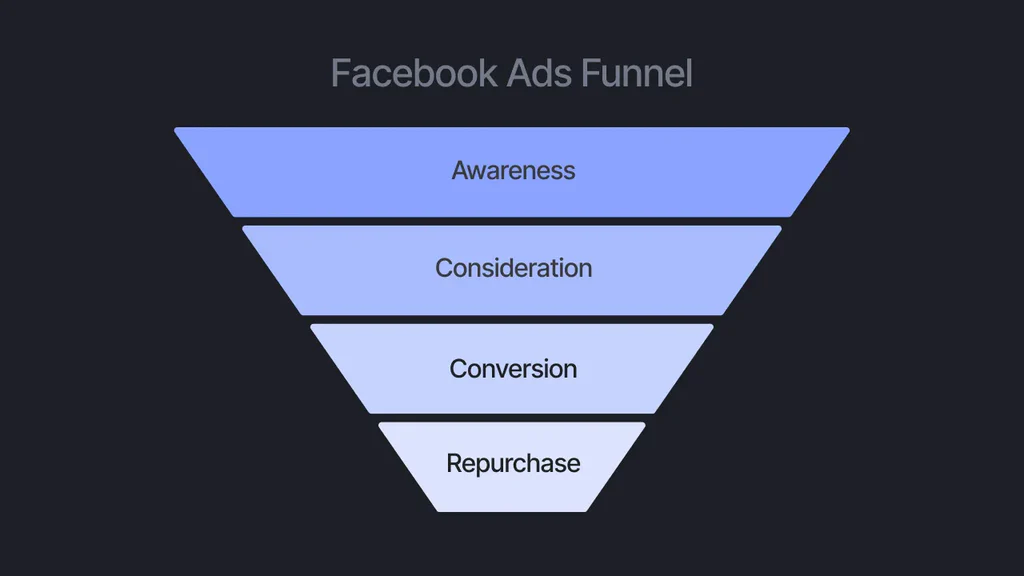
Building a high-converting lead funnel from scratch has become one of the most essential business needs of 2025—especially with the growing competitiveness in digital markets, rising ad costs, and customers demanding more personalized experiences before they make a purchase decision. Whether you’re a startup, a marketing agency, a digital advertising company, or a business owner trying to scale your lead generation efforts, creating a structured funnel is now non-negotiable.
A well-built lead funnel acts as an automated system that captures traffic, nurtures prospects, builds trust, and converts them into paying customers. It minimizes manual effort while maximizing results. But despite its importance, many businesses struggle to build one that actually works. That’s largely because they focus on random tactics instead of creating a strategic funnel.
So in this detailed guide, we will break down every step—from understanding your audience to setting up automation, optimizing conversions, and scaling your lead machine.
Understanding What a Lead Funnel Really Is
Before you start building any funnel, it is important to understand what a lead funnel actually means. A lead funnel is a structured journey that your potential customer takes from the moment they first interact with your business until they finally make a purchase. The funnel gradually moves your audience through awareness, interest, consideration, and conversion using a combination of content, offers, messaging, and automation. The main purpose of the funnel is to turn strangers into qualified leads and qualified leads into high-value customers.
A high-converting lead funnel is not just a sign-up page or a simple contact form. It is an ecosystem that includes landing pages, value-driven content, automated emails, retargeting ads, and persuasive offers. Every stage of the funnel must serve a purpose and guide your audience toward the next step. Modern advertising companies now structure funnels using data-driven insights, behavioral tracking, personalized messaging, and predictive analytics to increase conversion rates. So when we talk about building a funnel from scratch, we’re talking about building a full conversion system—not a standalone page.
Step 1: Defining Your Target Audience with Precision
Your funnel cannot convert if you don’t know who you’re targeting. Most failed funnels collapse because they attempt to attract “everyone.” Today’s advertising landscape requires laser-focused targeting. You must define your customer persona, their buying behavior, problems, motivations, and expectations before you create your first landing page or ad creative. Start by identifying their core pain points—what problem are they trying to solve? What stops them from achieving their goals? What frustrations are they facing with competitors? This kind of clarity helps you tailor your funnel content, offers, and messages in a way that feels personal and relevant.
Modern advertising companies rely heavily on data-driven segmentation. This includes analyzing demographics, psychographics, behavior data, search intent, purchase history, and engagement patterns. This kind of segmentation allows you to create hyper-targeted funnels instead of broad campaigns. For example, if your audience is small businesses struggling with lead generation, your funnel content should address their need to increase sales, reduce ad costs, and automate lead nurturing.
If your audience is e-commerce owners, your messaging should focus on conversion optimization, abandoned cart recovery, and upsell opportunities. By defining your audience early, you will build a funnel that aligns with their needs and makes conversion feel natural.
Step 2: Mapping the Core Funnel Stages
A high-converting lead funnel typically follows four major stages: Awareness, Interest, Decision, and Action. Advertising companies sometimes call this the AIDA model. Each stage plays a crucial role in converting strangers into loyal customers.
Awareness Stage:
This is where prospects first learn about your brand. They may see a social media post, a Google ad, a blog article, or a video. The goal here is to attract cold traffic and introduce them to your brand. At this stage, your messaging should focus on creating interest—not selling. Your goal is to capture attention.
Interest Stage:
Once prospects show initial engagement—such as clicking an ad or reading a blog—you must move them into an interest-building stage. This is usually done through a lead magnet offered in exchange for their email or contact details. It can be a free ebook, checklist, webinar, demo, or discount. The key is offering value that encourages them to take the next step.
Decision Stage:
This is where the relationship deepens. Prospects evaluate your solution, compare options, and consider buying. Automated email sequences, case studies, testimonials, comparison charts, and retargeting ads are powerful tools at this stage.
Action Stage:
This is the final step where a prospect becomes a paying customer. A well-designed offer, persuasive landing page, strong call-to-action, and limited-time incentives can dramatically increase conversions.
Mapping these stages ensures your funnel flows smoothly and avoids leaving prospects confused or unengaged.
Step 3: Creating an Irresistible Lead Magnet
Your lead magnet is the first major conversion point in your funnel. It’s what convinces prospects to share their email address, phone number, or other contact details. A weak lead magnet leads to low conversions, while a strong one can multiply your results. To build a powerful lead magnet, you must deliver value instantly. It should solve a real problem and give your audience a quick win. For example, if you’re a digital marketing agency, you might offer a free “7-Day Sales Funnel Blueprint,” “Lead Generation Audit,” or “Ad Performance Checklist.” If you’re an advertising company, you could offer “Free Campaign Strategy Consultation,” “Competitor Analysis Report,” or “Custom Ad Creative Samples.”
Modern advertising companies also use AI-generated reports, automated audits, and interactive quizzes as lead magnets—they convert extremely well because they feel personalized. Your lead magnet must align with your audience’s problems. It must be easy to consume and provide high-value insights. Once you have a strong offer, your conversion rate increases naturally.
Step 4: Building a High-Conversion Landing Page
Your landing page is the heart of your lead funnel. It is where your prospects decide whether to engage with your brand or leave. A high-converting landing page has a clear promise, strong visuals, trust-building elements, and a simple call-to-action. Avoid clutter, long forms, or unnecessary distractions. The page must focus solely on converting the visitor into a lead. In 2025, advertising companies are shifting to minimalistic, mobile-first landing pages with short copy, powerful headlines, and interactive elements.
Your headline must clearly state what value the user will get. The subheadline should reinforce the promise. Add visuals that explain or demonstrate the offer. Include social proof—testimonials, badges, logos, certifications, or performance stats. Then, add a prominent call-to-action button. Use action words: Download Now, Get Free Access, Start My Audit, or Book My Session.
The design must be fast-loading, SEO-friendly, responsive, and optimized for user behavior. Most importantly, test different versions. A/B testing often increases conversions by 20–60%.
Step 5: Setting Up Automated Email Nurturing
Once you capture a lead, the next step is nurturing. Without nurturing, your funnel loses potential customers. Automated email sequences allow you to educate, build trust, and guide your prospects toward a purchase. Start with a welcome email that delivers the lead magnet instantly. Then follow up with a value-driven sequence. Your email sequence should address the customer’s pain points, show solutions, share case studies, offer tips, and gradually introduce your core offer.
Advertising companies now use advanced automation tools like HubSpot, ActiveCampaign, and HighLevel to personalize email journeys based on user behavior. Some triggers may include downloading content, visiting the pricing page, watching product demos, or clicking an email link. Your email content must feel conversational, personalized, and helpful—not overly promotional. The goal is relationship building. A well-structured sequence increases conversions significantly and reduces the time it takes to move a lead into a paying customer.
Step 6: Using Retargeting and Multi-Channel Follow-Up
Only a small percentage of leads convert immediately. Retargeting fills the gap. Retargeting ads appear on platforms like Facebook, Instagram, Google, TikTok, or LinkedIn after a prospect engages with your content but doesn’t convert. These ads remind them of your offer and encourage them to return. Retargeting combined with email nurturing is one of the most powerful funnel strategies. Use dynamic creatives, customer testimonials, problem-solution messaging, and limited-time offers.
In addition to retargeting, use multi-channel follow-up. This includes SMS, WhatsApp marketing, push notifications, chatbot reminders, and personalized phone outreach. Advertising companies often integrate CRM systems to create automated reminders for the sales team. Multi-channel follow-up ensures leads do not slip away and drastically increases close rates.
Step 7: Designing a High-Converting Core Offer
Your funnel can only succeed if your offer is compelling. A core offer isn’t just your product or service—it’s the transformation you deliver. The offer must solve a real problem with a clear outcome. For example, instead of saying “We offer digital marketing services,” say “We help you double your leads in 90 days with proven advertising frameworks.” Add value-driven add-ons such as free consultations, money-back guarantees, bonus modules, checklists, reports, or 24/7 support.
A strong offer should feel worth more than its price. Bundle complementary services. Add case studies to demonstrate results. Display success stories prominently. Use urgency and scarcity when appropriate. Your offer presentation must be simple, clear, and irresistible.
Step 8: Optimizing Each Stage for Maximum Conversions
A funnel is never finished. The best advertising companies treat funnels as living systems that require continuous testing and optimization. Review each step: landing pages, messaging, email content, ad creatives, user journey, and pricing. Use analytics tools to track conversion rates and identify drop-offs. For example, if people click your ad but do not fill the form, fix your landing page. If they download the lead magnet but don’t book a call, improve your email sequence. Optimization is a never-ending process and is essential for long-term success.
Step 9: Scaling Your Lead Funnel
Once you have a funnel that converts, scaling becomes easy. Increase ad spend strategically. Expand into multiple platforms. Build advanced automation. Introduce upsells and cross-sells. Create additional funnels for different audience segments. Use analytics to track cost per lead, cost per acquisition, lifetime value, and customer retention. Scaling is about amplifying what works—not changing direction.
Final Thoughts
Building a high-converting lead funnel from scratch requires strategy, creativity, and consistency. When done right, it becomes a 24/7 lead-generation and sales-closing machine. Modern advertising companies and growth-focused businesses now rely heavily on funnels to automate revenue, reduce manual work, and achieve predictable results. Whether you’re just starting or already running campaigns, following the steps in this guide will help you create a powerful funnel that attracts the right audience, nurtures relationships, and turns leads into long-term customers.