 By BusinessLeadHub.Blog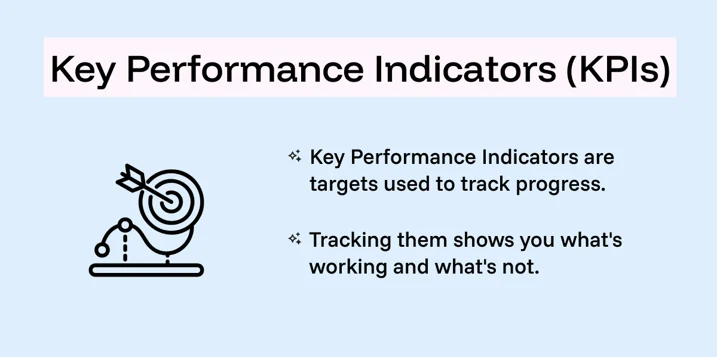
In the world of business, generating leads is the lifeblood of growth. However, attracting potential customers is only half the battle—knowing whether your lead generation strategies are effective is equally important. This is where Key Performance Indicators (KPIs) come into play. KPIs are measurable values that indicate how effectively your company is achieving its lead generation goals. Tracking the right KPIs can help businesses optimize their marketing strategies, improve ROI, and ultimately convert more leads into loyal customers. In this article, we will explore the top KPIs that every business should track for lead generation success.
1. Number of Leads Generated
The most basic yet critical KPI for lead generation is the total number of leads generated. This metric provides a clear picture of how many potential customers are entering your sales funnel. Monitoring this KPI over time allows businesses to identify trends, understand the effectiveness of their marketing campaigns, and determine whether lead generation strategies are improving.
Not all leads are equal, however. While the number of leads is important, it must be paired with quality metrics to ensure that the leads have a high likelihood of conversion. Therefore, businesses should always consider both the quantity and quality of leads when evaluating performance.
2. Lead Conversion Rate
The lead conversion rate measures the percentage of leads that turn into paying customers. This KPIs is crucial because generating leads is only valuable if they are eventually converted into revenue. A high lead conversion rate indicates that your marketing and sales teams are effectively nurturing prospects and guiding them toward a purchase.
To calculate the lead conversion rate, divide the number of converted leads by the total number of leads generated, then multiply by 100. Tracking this KPI over time can reveal strengths and weaknesses in your lead nurturing and sales processes, allowing you to make data-driven improvements.
3. Cost per Lead (CPL)
Cost per lead (CPL) is a financial KPI that helps businesses understand how much they are spending to acquire each lead. This metric is vital for budgeting and evaluating the efficiency of your lead generation campaigns. Lowering the CPL while maintaining lead quality is a sign of a successful lead generation strategy.
To calculate CPL, divide the total marketing expenses by the number of leads generated during a specific period. By tracking this KPIs, businesses can optimize their marketing spend, allocate resources more effectively, and maximize ROI.
4. Lead Source ROI
Not all marketing channels perform equally. Lead source ROI measures the return on investment for each channel that generates leads, such as social media, email marketing, paid advertising, or SEO. By understanding which sources provide the best returns, businesses can focus their efforts and budgets on the most effective channels.
For example, if paid ads generate high-quality leads at a lower cost, it may be wise to increase spending in this area. Conversely, channels with low ROI might require optimization or a strategic shift. Tracking lead source ROI ensures that your marketing efforts are both cost-effective and results-driven.
5. Marketing Qualified Leads (MQLs)
Marketing Qualified Leads (MQLs) are leads that have shown interest in your product or service and meet certain criteria that suggest they are likely to become customers. Tracking MQLs allows marketing teams to identify which leads are worth passing on to the sales team, improving the efficiency of the sales process.
An increase in MQLs over time indicates that your marketing campaigns are targeting the right audience and engaging them effectively. MQLs serve as a bridge between marketing and sales, ensuring that resources are focused on the most promising prospects.
6. Sales Qualified Leads (SQLs)
Sales Qualified Leads (SQLs) are leads that have been vetted by the sales team and are ready for direct engagement. While MQLs indicate potential, SQLs represent actionable opportunities. Tracking SQLs helps businesses understand how effectively marketing is generating leads that the sales team can convert into revenue.
Monitoring SQLs also provides insights into lead quality. If a high number of MQLs fail to become SQLs, it may indicate issues in lead qualification or marketing messaging that need to be addressed.
7. Lead Response Time
Lead response time measures how quickly your sales or support team responds to new leads. Speed matters because studies have shown that leads are significantly more likely to convert when contacted promptly. A quick response demonstrates professionalism and builds trust with potential customers.
Tracking lead response time can reveal gaps in your lead management process. Automated systems, live chat, and CRM tools can help reduce response times, ensuring that leads receive timely attention and are more likely to convert.
8. Lead Engagement Rate
Lead engagement rate tracks how actively leads interact with your marketing content, such as emails, landing pages, social media posts, or webinars. Higher engagement rates typically indicate stronger interest and a higher likelihood of conversion.
Metrics that contribute to lead engagement include email open and click-through rates, website visits, content downloads, and social media interactions. By analyzing engagement patterns, businesses can refine their content strategy to better nurture leads and maintain ongoing interest.
9. Customer Acquisition Cost (CAC)
Customer Acquisition Cost (CAC) is the total cost of acquiring a customer, including marketing and sales expenses. CAC is closely related to CPL but focuses on the entire journey from lead generation to customer conversion. Lowering CAC while maintaining lead quality is a key indicator of a cost-effective lead generation strategy.
Tracking CAC over time helps businesses identify inefficiencies in their marketing and sales processes. It also provides insights for forecasting and planning, ensuring that lead generation efforts contribute positively to the company’s bottom line.
10. Lead Retention and Lifetime Value
While lead generation focuses on acquiring new prospects, tracking lead retention and the lifetime value of customers ensures long-term business growth. Leads that convert into repeat customers offer higher ROI and validate the effectiveness of your marketing efforts.
Lifetime value (LTV) measures the total revenue a customer generates during their relationship with your business. By comparing LTV with CAC, businesses can ensure that the cost of acquiring leads is justified and sustainable.
11. Landing Page Conversion Rates
Landing pages are essential tools for capturing leads, and their performance directly affects lead generation success. The landing page conversion rate measures the percentage of visitors who complete the desired action, such as filling out a form or signing up for a newsletter.
Optimizing landing pages through A/B testing, compelling copy, clear CTAs, and user-friendly design can improve conversion rates. Tracking this KPIs allows marketers to understand which pages are most effective at capturing leads and where improvements are needed.
12. Email Campaign Metrics
Email marketing remains one of the most effective channels for lead generation. Key KPIs to track in email campaigns include open rates, click-through rates, bounce rates, and unsubscribes. High open and click-through rates indicate that your messaging resonates with the audience, while low bounce rates and unsubscribes reflect list quality and relevance.
Analyzing these metrics can help marketers refine email content, segment audiences more effectively, and nurture leads through personalized campaigns that drive conversions.
13. Social Media Leads
Social media platforms are powerful tools for generating leads, but tracking their effectiveness requires measuring platform-specific KPIs. These include follower growth, engagement rates, click-throughs, and leads generated directly from social campaigns.
Monitoring social media leads allows businesses to identify which platforms deliver the highest-quality leads and optimize content strategy accordingly. Paid social campaigns can also be evaluated using ROI metrics to ensure effective ad spend.
14. Organic Search Leads
Search engine optimization (SEO) drives organic traffic to your website, which can translate into high-quality leads. Tracking organic search leads involves measuring the number of leads that originate from search engines, along with metrics like keyword performance, click-through rates, and conversion rates from organic search traffic.
High-performing SEO strategies reduce dependency on paid marketing, lower CPL, and attract leads who are actively searching for solutions related to your business. Consistent monitoring ensures that your website remains visible and competitive in search results.
15. Content Marketing Effectiveness
Content marketing is a critical component of lead generation. The effectiveness of your content can be tracked through KPIs such as blog traffic, content downloads, lead magnet sign-ups, and social shares. High-performing content educates, engages, and converts visitors into leads.
By analyzing these metrics, businesses can identify which content types resonate most with their audience, optimize content strategy, and improve lead nurturing efforts. Strong content performance often correlates with higher-quality leads and increased conversion rates.
16. Website Traffic to Lead Ratio
Website traffic is only valuable if it converts into leads. The website traffic to lead ratio measures the percentage of website visitors who become leads. This KPI highlights how effectively your website captures interest and converts visitors into potential customers.
Improving this ratio often involves optimizing CTAs, forms, landing pages, and website UX. Tracking this metric ensures that your website is not only attracting visitors but also generating actionable leads.
17. Sales Cycle Length
The sales cycle length measures the average time it takes for a lead to move from initial contact to becoming a customer. A shorter sales cycle often indicates more efficient lead nurturing, while a longer cycle may reveal bottlenecks or misalignment between marketing and sales.
Tracking sales cycle length allows businesses to streamline processes, set realistic forecasts, and ensure that leads are being guided effectively through the sales funnel.
18. Lead Scoring Accuracy
Lead scoring assigns values to leads based on their likelihood to convert, using behavioral and demographic data. Tracking the accuracy of lead scoring ensures that your marketing and sales teams are prioritizing the right leads.
High lead scoring accuracy improves sales efficiency, reduces wasted effort, and increases the chances of converting high-quality leads. Regular evaluation of lead scoring models is essential to maintain alignment with changing market conditions.
19. Customer Feedback and Satisfaction
While quantitative KPIs are essential, qualitative insights from customer feedback also play a key role in lead generation success. Understanding why leads convert—or fail to convert—can inform improvements in messaging, targeting, and overall lead nurturing.
Surveys, reviews, and direct feedback help businesses understand the customer journey, refine lead generation strategies, and enhance the overall customer experience.
20. Continuous Monitoring and Optimization
Tracking KPIs is only useful if the insights are acted upon. Continuous monitoring and optimization of lead generation efforts ensure that businesses adapt to market changes, capitalize on high-performing channels, and address underperforming strategies.
Regular reporting, analytics dashboards, and collaboration between marketing and sales teams foster a data-driven culture that maximizes lead generation success over time.
Conclusion
Lead generation is a complex and dynamic process, and businesses cannot afford to rely on guesswork. Tracking the right KPIs provides actionable insights that improve lead quality, conversion rates, and ROI. From the number of leads generated to lead engagement, cost efficiency, and customer lifetime value, each KPI tells a part of the story. By continuously monitoring and optimizing these metrics, businesses can refine their strategies, generate high-quality leads, and achieve sustainable growth.
Lead generation is not just about attracting prospects—it’s about understanding, nurturing, and converting them. By focusing on these top KPIs, your business can ensure that every lead counts and that your marketing efforts deliver measurable, impactful results.