 By BusinessLeadHub.Blog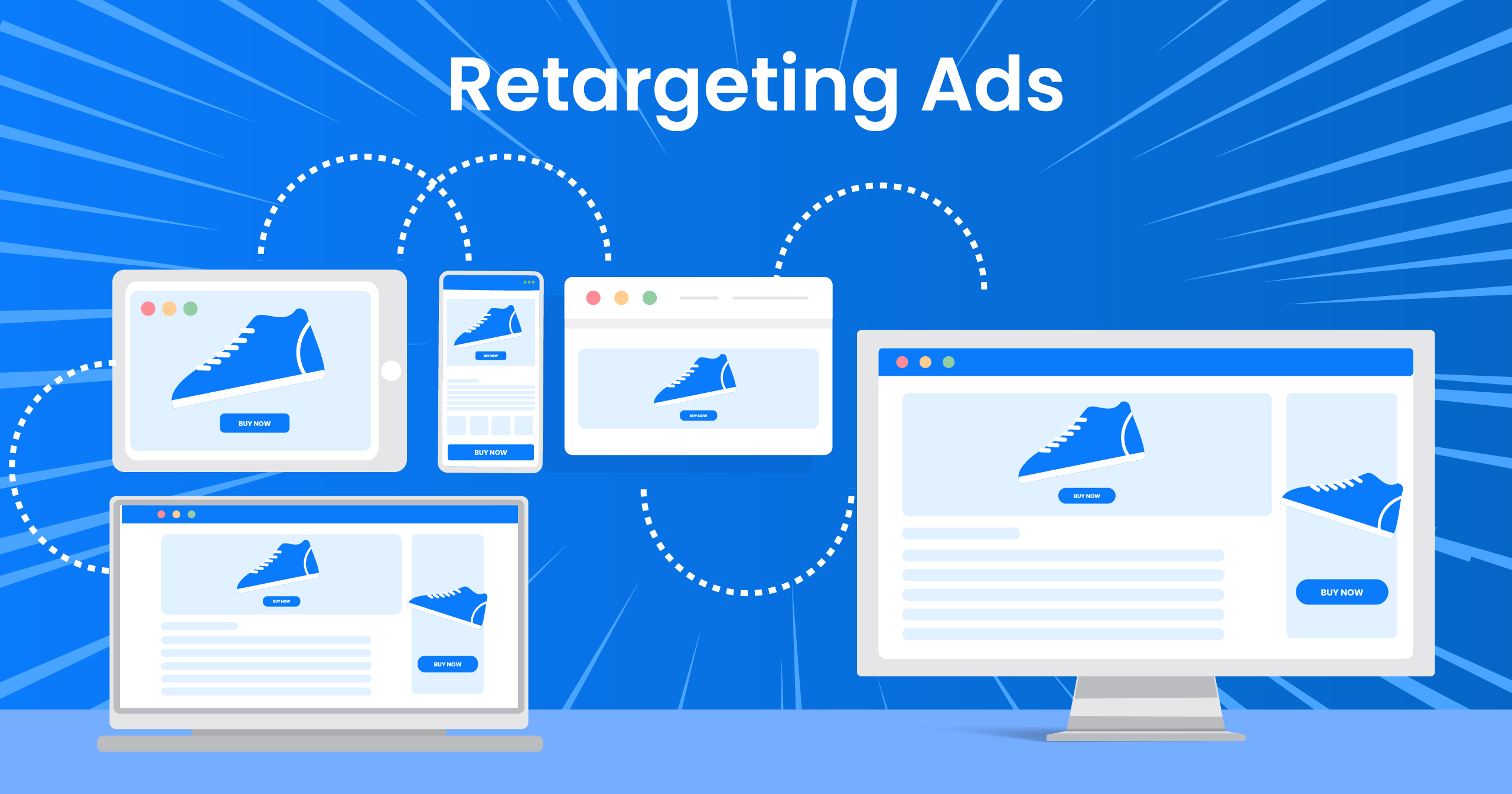
1. What Retargeting Ads Are & How They Work
Retargeting ads, also known as remarketing ads, are online advertisements aimed at people who have already interacted with your brand but didn’t complete a desired action, like making a purchase or signing up. The main goal is to re-engage potential customers and bring them back to your website or app.
How Retargeting Works (Step-by-Step)
- Visitor Interaction: Someone visits your website, browses products, or adds items to the cart but leaves without converting.
- Tracking Cookies or Pixels: A small snippet of code (like the Facebook Pixel or Google Ads tag) tracks their activity.
- Audience Creation: The visitor is added to a “retargeting list” based on their behavior.
- Ad Display: Across various platforms—Google Display Network, Facebook, Instagram, YouTube—they start seeing ads reminding them of your product or offer.
- Conversion: The repeated exposure increases the chances of the visitor returning and completing the desired action.
Why it works: Most online shoppers don’t buy on the first visit. Retargeting keeps your brand in front of them, building trust and prompting action.
2. Why Customers Leave Without Converting
Even if someone is interested in your product or service, there are common reasons why they leave without buying:
- Cart Abandonment:
- Shoppers often add items to their cart but leave due to distractions, complicated checkout processes, or unexpected costs.
- Price Concerns:
- High prices, shipping costs, or unclear pricing can make customers hesitate.
- Trust Issues:
- New customers may be unsure about your brand, security, or product quality.
- Timing:
- The customer may just be browsing or waiting for a better time or offer to make a purchase.
Retargeting solves this: By reminding them of what they left behind and offering incentives like discounts, free shipping, or reviews, you increase the likelihood of conversion.
3. Benefits of Retargeting Ads
Retargeting ads are one of the most cost-effective ways to boost conversions because they focus on people who have already shown interest in your products or services. Here are the key benefits:
- Higher ROI (Return on Investment):
- Since you’re targeting an audience already familiar with your brand, the likelihood of conversion is higher than with cold traffic.
- Lower Advertising Costs:
- Retargeting usually costs less per conversion compared to traditional advertising because your audience is already “warm.”
- Brand Recall and Awareness:
- Even if a visitor doesn’t convert immediately, seeing your ad multiple times keeps your brand top-of-mind.
- Recover Lost Customers:
- Retargeting helps bring back people who abandoned their carts, visited your site, or engaged with your content but didn’t purchase.
4. Audience Segmentation (VERY IMPORTANT)
Segmentation is crucial for retargeting success. Treat different visitor types differently based on their behavior and intent.
- Cart Abandoners:
- Users who added products to their cart but didn’t complete the purchase.
- Show ads highlighting their abandoned products, offer discounts, or provide free shipping.
- Product Viewers:
- People who browsed products but didn’t add anything to the cart.
- Use ads to showcase product benefits, reviews, or limited-time offers.
- Past Customers:
- Customers who bought before are more likely to buy again.
- Upsell or cross-sell related products, or promote loyalty programs.
- Website Visitors:
- General visitors who didn’t take any significant action.
- Use brand awareness ads, content, or value-driven offers to guide them down the funnel.
5. Choosing the Right Platforms
Selecting the right platforms ensures your retargeting ads reach your audience where they spend most of their time:
- Google Display & Search Retargeting:
- Show ads on millions of websites through Google Display Network.
- Search retargeting allows you to appear when visitors search for similar products later.
- Facebook & Instagram Retargeting:
- Highly effective due to detailed audience targeting options and visually engaging ad formats.
- YouTube Retargeting:
- Reach potential customers with video ads who have interacted with your brand or watched similar content.
Pro Tip: Use multiple platforms strategically to maximize reach without overloading your audience.
6. Creating High-Converting Ad Creatives
The success of retargeting ads depends heavily on how compelling your ad looks and feels. A well-crafted ad grabs attention and drives the visitor back to your site. Key elements include:
- Strong Visuals:
- Use high-quality images or videos that clearly showcase your product or service.
- Show the product in use or highlight its benefits.
- Clear Call-to-Action (CTA):
- Make it obvious what you want the customer to do. Examples: “Buy Now,” “Complete Your Order,” “Claim Your Discount.”
- Trust Signals:
- Include reviews, ratings, awards, or secure payment badges.
- Trust signals reassure customers who may have been hesitant to purchase.
- Urgency:
- Encourage quick action by using time-sensitive messaging like “Limited Stock,” “Offer Ends Today,” or “Only a Few Left.”
Pro Tip: Test multiple creatives (A/B testing) to see which visuals, messaging, and CTAs convert best.
7. Personalized Offers
Personalization is key to winning back lost customers. Show them ads that feel tailored to their behavior:
- Discounts: Offer a small percentage off to encourage purchase.
- Free Shipping: Remove friction for hesitant buyers.
- Limited-Time Deals: Create urgency with exclusive offers for returning visitors.
Why it works: Personalized offers make the visitor feel recognized and valued, increasing the chances of conversion.
8. Frequency Capping
While retargeting is powerful, showing ads too often can annoy your audience. Frequency capping limits how many times a user sees the same ad:
- Helps avoid ad fatigue and negative brand perception.
- Improves cost-efficiency by targeting only the right number of impressions.
- Common approach: show the ad 3–5 times per week for each user.
Pro Tip: Adjust frequency based on your audience segment—cart abandoners may need more reminders than casual visitors.
9. Tracking & Optimization Metrics
To make your retargeting campaigns effective, it’s crucial to track performance and optimize based on key metrics. These numbers tell you what’s working and what needs improvement:
- CTR (Click-Through Rate):
- Measures how many people clicked on your ad after seeing it.
- Higher CTR means your ad is engaging and relevant to your audience.
- Conversion Rate:
- Tracks how many visitors completed the desired action (purchase, signup, etc.) after clicking the ad.
- Helps you understand the effectiveness of your landing page and ad messaging.
- Cost Per Conversion:
- Calculates how much you spend to get a single customer or lead.
- Lower cost per conversion indicates better campaign efficiency.
- ROAS (Return on Ad Spend):
- Measures revenue generated for every dollar spent on ads.
- A key metric for profitability: ROAS >1 means you’re earning more than you spend.
Pro Tip: Use these metrics to A/B test ads, adjust targeting, and optimize your budget for maximum results.
10. Common Mistakes to Avoid
Even the best campaigns can fail if you fall into these common pitfalls:
- Over-Retargeting:
- Bombarding users with too many ads can annoy them and hurt your brand image.
- Generic Ads:
- Ads that aren’t tailored to the visitor’s behavior have low engagement. Personalization is key.
- No Segmentation:
- Treating all visitors the same reduces effectiveness. Segment your audience based on actions like cart abandonment, product views, or past purchases.
Pro Tip: Avoid these mistakes by using frequency capping, personalization, and clear segmentation, ensuring your retargeting campaign stays effective and user-friendly.
Summary
Retargeting ads are a proven way to recover lost customers and boost conversions by reaching people who have already interacted with your brand. By understanding why customers leave without converting, you can create campaigns that are targeted, personalized, and effective.
Key takeaways:
- Retargeting works because it re-engages visitors who are already familiar with your brand.
- Segment your audience carefully: cart abandoners, product viewers, past customers, and general visitors respond differently to tailored ads.
- Use strong visuals, clear CTAs, trust signals, and urgency to create high-converting ad creatives.
- Offer personalized incentives like discounts, free shipping, or limited-time deals to encourage return visits.
- Track key metrics such as CTR, conversion rate, cost per conversion, and ROAS to optimize campaigns effectively.
- Avoid common mistakes like over-retargeting, generic ads, and lack of segmentation to protect your brand reputation.
- With careful budgeting, platform selection, frequency capping, and ongoing optimization, retargeting campaigns can maximize ROI and recover lost sales.
Retargeting isn’t just an advertising tactic—it’s a strategic approach to turning missed opportunities into loyal customers. By applying these strategies, businesses can reclaim lost revenue, strengthen brand awareness, and create lasting customer relationships.