 By BusinessLeadHub.Blog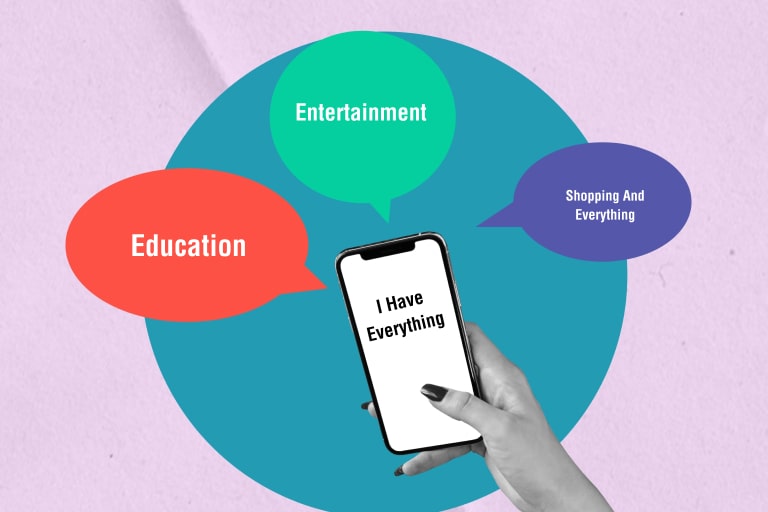
Introduction: Why Mobile Marketing Matters More Than Ever
In today’s digital-first world, smartphones have become an essential part of daily life. Consumers rely on mobile devices for communication, shopping, entertainment, and decision-making. For small businesses, this shift presents both a challenge and a powerful opportunity. Mobile marketing is no longer optional—it is a critical component of sustainable business growth.
Mobile marketing allows small businesses to reach customers instantly, personally, and cost-effectively. From mobile-optimized websites and SMS campaigns to social media and location-based advertising, mobile channels help businesses connect with audiences where they spend most of their time.
This article explores the importance of mobile marketing for small businesses, explaining its benefits, strategies, and how it drives visibility, engagement, and sales in a competitive digital landscape.
Understanding Mobile Marketing in the Modern Business World
Mobile marketing refers to promoting products and services through mobile devices such as smartphones and tablets. It includes a wide range of tactics, including mobile websites, apps, SMS marketing, push notifications, mobile search ads, and social media marketing.
What makes mobile marketing unique is its immediacy and personalization. Businesses can deliver targeted messages based on user behavior, location, and preferences in real time. This level of relevance increases engagement and improves conversion rates.
For small businesses with limited budgets, mobile marketing provides a cost-effective way to compete with larger brands.
The Rise of Mobile-First Consumers
Consumer behavior has shifted dramatically toward mobile usage. People now use their phones to research products, read reviews, compare prices, and make purchases—all within minutes.
Mobile devices influence purchasing decisions at every stage of the buyer’s journey. If a small business fails to offer a seamless mobile experience, it risks losing customers to competitors that do.
Understanding mobile-first behavior helps businesses design marketing strategies that align with how customers interact with brands today.
Why Mobile Marketing Is Crucial for Small Businesses
Small businesses often rely on local customers, repeat purchases, and strong relationships. Mobile marketing supports all three by delivering relevant messages directly to customers’ pockets.
Mobile channels allow small businesses to build brand awareness quickly, engage audiences consistently, and drive action efficiently. Compared to traditional advertising, mobile marketing offers measurable results and higher return on investment.
In an increasingly mobile-driven world, businesses that prioritize mobile marketing gain a competitive advantage.
Mobile-Optimized Websites and Their Impact on Sales
A mobile-optimized website is the foundation of any mobile marketing strategy. Websites that load slowly or display poorly on mobile devices frustrate users and increase bounce rates.
Search engines prioritize mobile-friendly websites, making optimization essential for visibility. A responsive design, fast loading speed, and easy navigation improve user experience and conversion rates.
For small businesses, a mobile-optimized website ensures that every visitor has a smooth and engaging experience, regardless of device.
Mobile SEO and Local Search Visibility
Mobile marketing plays a vital role in search engine optimization, particularly for local businesses. Mobile searches often have high intent, with users looking for nearby products or services.
Optimizing for mobile SEO includes improving site speed, using local keywords, and maintaining accurate business listings. Features like click-to-call buttons and map integrations make it easier for customers to take action.
Strong mobile SEO helps small businesses appear in local search results and attract high-quality leads.
SMS Marketing: Direct and Highly Effective
SMS marketing is one of the most effective mobile marketing channels. Text messages have extremely high open rates compared to emails or ads.
Small businesses can use SMS to send promotions, appointment reminders, updates, and personalized offers. Because messages are delivered instantly, they encourage immediate action.
When used responsibly and with customer consent, SMS marketing strengthens relationships and drives repeat business.
Social Media and Mobile Engagement
Most social media usage happens on mobile devices. Platforms like Facebook, Instagram, TikTok, and WhatsApp provide small businesses with powerful mobile marketing opportunities.
Mobile-friendly content such as short videos, stories, and interactive posts capture attention and encourage engagement. Social media also enables direct communication through messages and comments.
By leveraging social platforms effectively, small businesses can build community, trust, and brand loyalty.
Mobile Advertising for Targeted Reach
Mobile advertising allows small businesses to reach specific audiences with precision. Paid ads on search engines, social media, and apps can be tailored by location, interests, and behavior.
Mobile ads are cost-effective and measurable, making them ideal for small budgets. Formats such as click-to-call ads and in-app promotions drive immediate results.
Targeted mobile advertising helps small businesses maximize exposure without wasting resources.
Location-Based Marketing and Local Customers
Location-based marketing uses GPS and mobile data to deliver relevant messages to users in specific areas. This strategy is especially valuable for brick-and-mortar businesses.
Offers, promotions, or reminders sent when customers are nearby increase foot traffic and sales. Location-based marketing creates timely and personalized experiences.
For small businesses serving local communities, this approach enhances visibility and customer engagement.
Mobile Apps and Customer Loyalty
While not every small business needs an app, mobile apps can enhance customer loyalty and engagement for certain industries.
Apps provide a direct communication channel, offering push notifications, exclusive deals, and personalized content. They also simplify repeat purchases and customer support.
For businesses with frequent customer interactions, mobile apps can be a powerful long-term marketing asset.
Personalization Through Mobile Marketing
Mobile marketing enables advanced personalization by leveraging user data such as browsing behavior, purchase history, and location.
Personalized messages feel more relevant and increase response rates. Whether through tailored offers or customized content, personalization improves customer satisfaction.
Small businesses that use mobile personalization effectively can compete with larger brands on customer experience.
Measuring Mobile Marketing Performance
Tracking performance is essential for success. Mobile marketing metrics include click-through rates, conversion rates, app engagement, and customer retention.
Analytics tools provide insights into user behavior and campaign effectiveness. These insights help businesses optimize strategies and improve results over time.
Data-driven mobile marketing ensures consistent growth and smarter decision-making.
Common Mobile Marketing Mistakes to Avoid
Many small businesses make the mistake of ignoring mobile optimization or sending generic messages. Poor timing, excessive messaging, and lack of consent can harm brand reputation.
Another mistake is failing to test campaigns across different devices and platforms. Consistency and quality matter in mobile experiences.
Avoiding these mistakes helps businesses build trust and achieve better outcomes.
The Future of Mobile Marketing for Small Businesses
Mobile marketing continues to evolve with advancements in artificial intelligence, automation, and personalization. Features like voice search, mobile payments, and interactive content are shaping future strategies.
Small businesses that stay adaptable and embrace new mobile trends will remain competitive. Investing in mobile marketing now prepares businesses for long-term success.
Conclusion: Why Mobile Marketing Is Essential for Growth
Understanding the importance of mobile marketing for small businesses is key to thriving in today’s digital economy. Mobile marketing connects businesses with customers in real time, builds stronger relationships, and drives measurable results.
From mobile-friendly websites and local SEO to SMS campaigns and social media engagement, mobile marketing empowers small businesses to grow efficiently and sustainably.
By prioritizing mobile strategies, small businesses can reach more customers, increase sales, and build a brand that succeeds in a mobile-first world.